
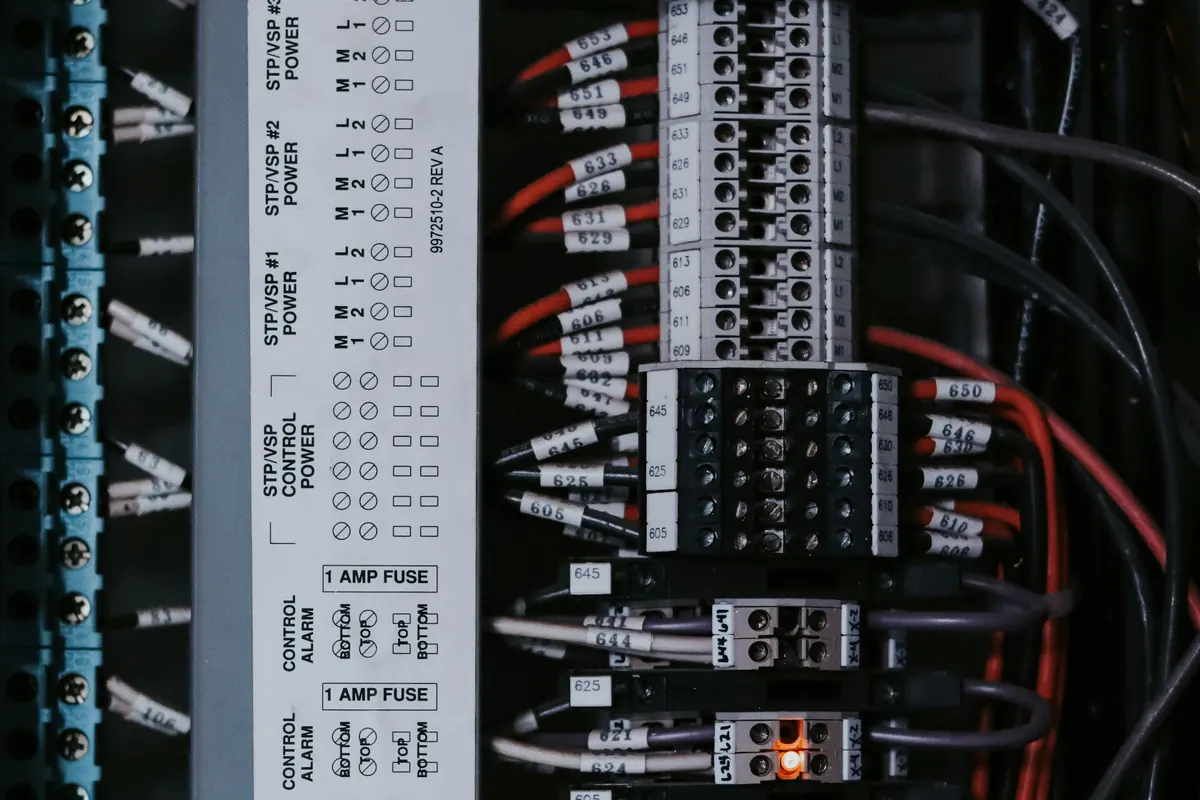
PLC controls & software
Controller migration and machine sequences
Migrate controls to current hardware. Adapt sequence logic and interfaces to the functions and requirements of your timber stacker.

Retrofits for the timber industry
We overhaul your stacker's controls and drives, update the operator interface and fault messages, and integrate adjacent conveyor systems.
Spare parts are difficult to obtain. Recurring faults and time-consuming troubleshooting extend downtime.
Cumbersome operation and new requirements for sequences or conveyors are good reasons for a retrofit. We assess which functions need adapting and which components of your existing stacker can remain in use.
Controller migration and machine sequences
Migrate controls to current hardware. Adapt sequence logic and interfaces to the functions and requirements of your timber stacker.
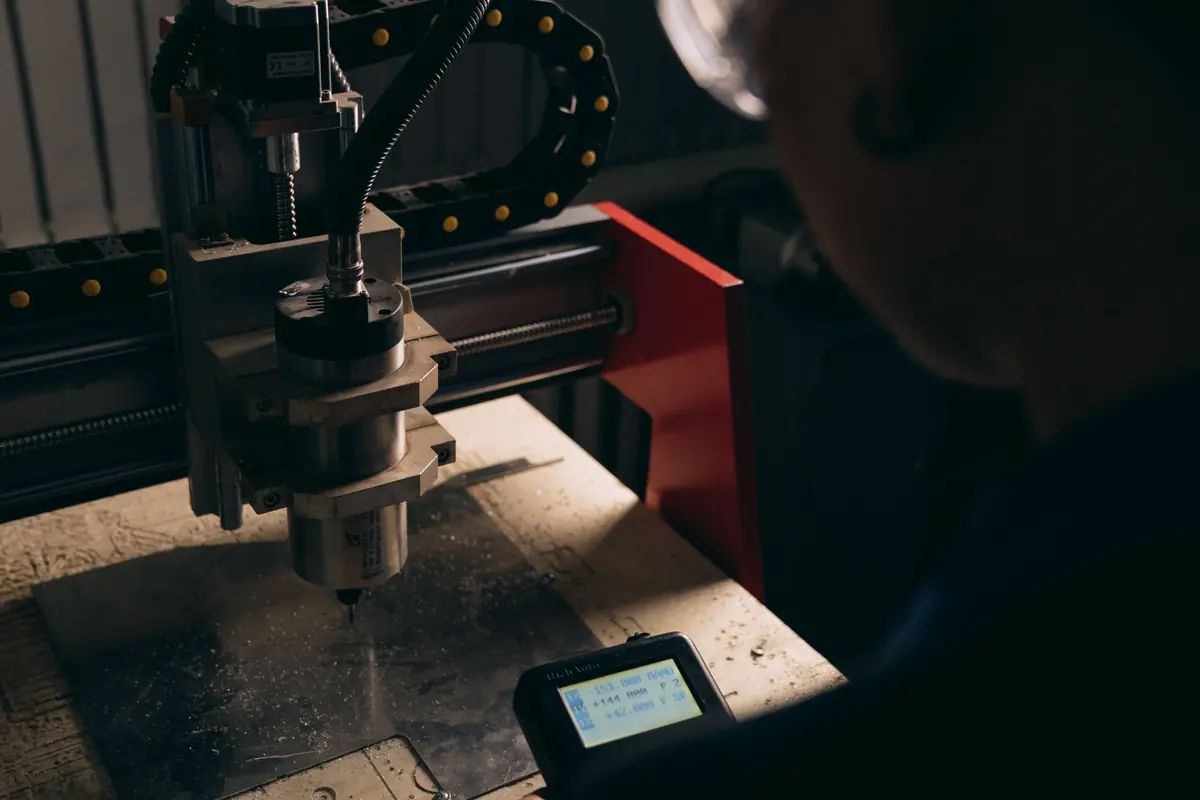
Operator screens, messages and modes
Update operator screens and operating modes. Clear fault messages support troubleshooting and day-to-day operation of your stacker.
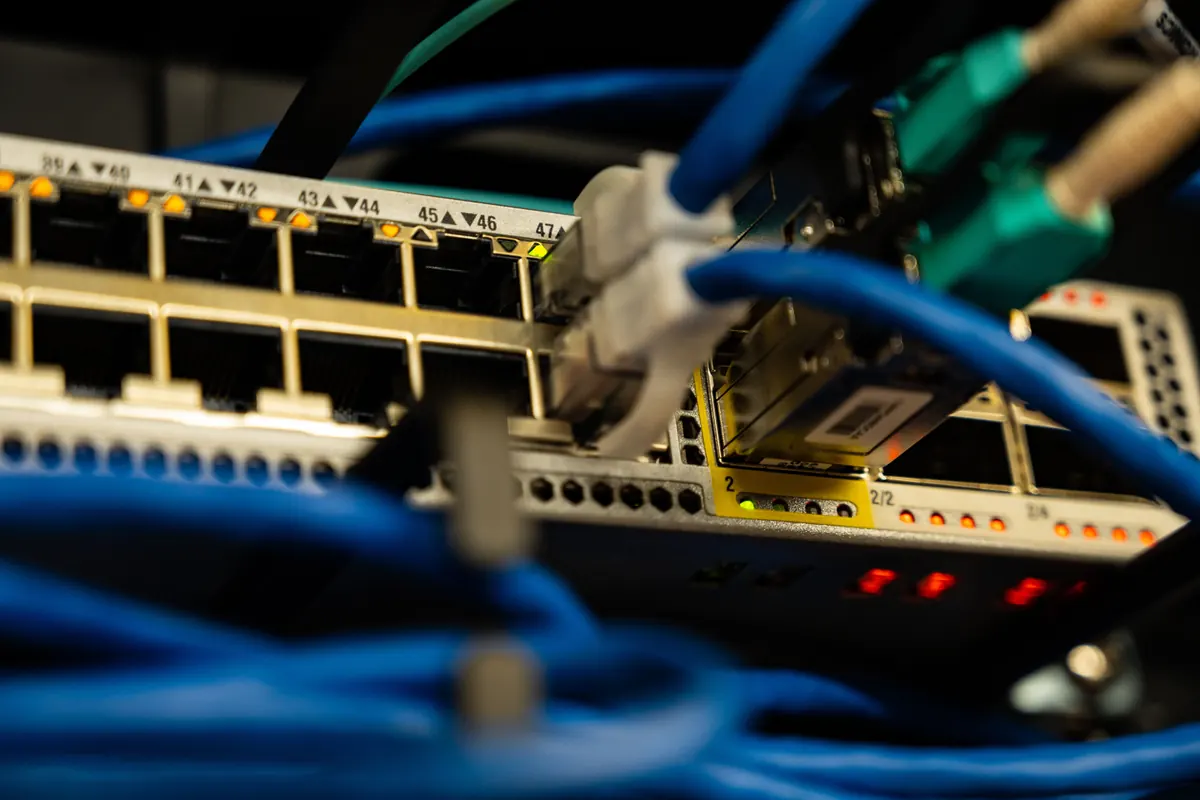
Positioning, sensors and conveyor systems
Match drives and sensors to the stacking sequence. Integrate conveyors, sorting systems and downstream machines via interfaces.
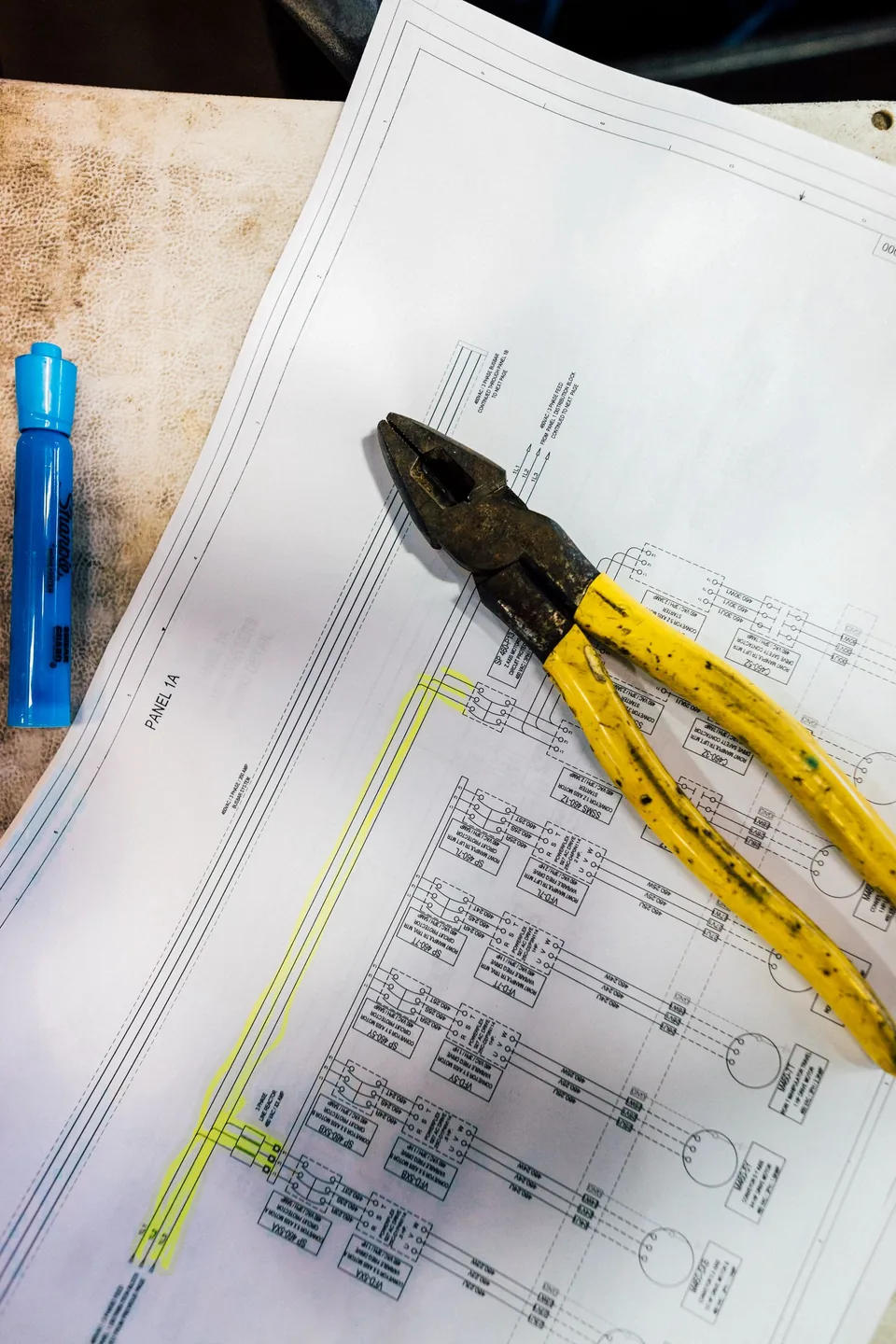
Electrical design and cabinet modifications
Plan electrical changes and replace components. Modify the control cabinet and update drawings and documentation to reflect the installation.
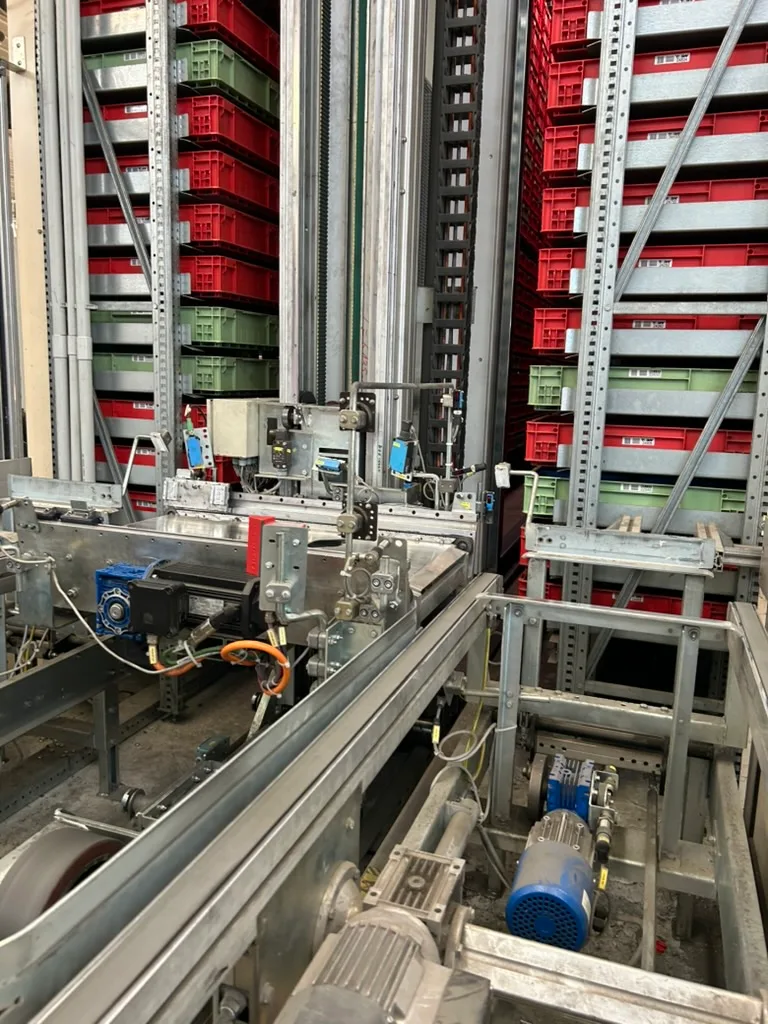
Reference project
We replaced the S7-300 with an S7-1500 and updated the visualisation and warehouse management software.
Review hardware, software, drawings and interfaces with production and maintenance. Define the required functions and clarify missing information at the machine.
Define the control design and components. Prepare software, electrical drawings and cabinet work. Agree preliminary tests, the shutdown window and restart criteria.
Carry out the conversion during the agreed shutdown. Check signals, operating modes, stacking sequences and connected conveyors before restarting.
Train operators on functions and diagnostics. Hand over current software versions and documentation, and agree further on-site or remote support.
An estimate needs a defined scope and an understanding of the existing installation.
Costs depend on factors such as:
Practical questions
Yes, where their condition and the required functions allow it. We assess the mechanical components and their interaction with drives and controls before defining the retrofit scope.
Helpful documents include electrical drawings, PLC and HMI projects, hardware lists and drive documentation. Photos, the manufacturer and model, a description of the fault and production requirements also help. Missing documents can be clarified during the assessment.
It may be possible. The machine's sequences, signals and operating modes must then be recorded as the basis for new software. We assess access to the machine and the additional work before proposing a scope.
We coordinate the work, functional tests and restart with your production team. Planning, programming and preparatory work take place before the shutdown where possible. The required window depends on the installation and agreed scope.
Yes. We review their controllers, interfaces and signal exchange, then coordinate transfers and operating sequences with the stacker. Required changes are included in the agreed scope.
We commission the modified controls at the installation, test the agreed functions and train operators. Further visits or support through an agreed remote connection are arranged to suit the project.
A short description is enough to start. Feel free to contact us even if documents are missing.